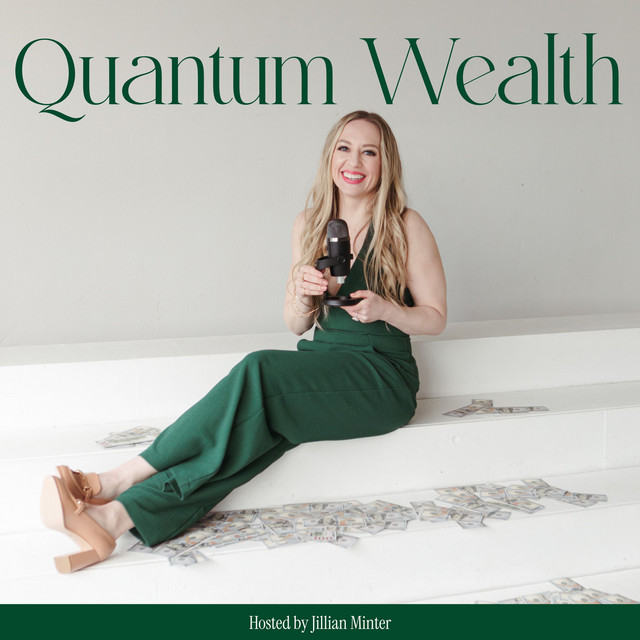
Two days ago, we found out that Dolly Parton passed, and I sat down and recorded an episode about it.
Not because I'm a country music fan. I'm not.
But because Dolly did something almost no one talks about, and every woman building a business needs to hear it.
She said no to Elvis.
Back in 1973, she wrote "I Will Always Love You."
Elvis wanted to record it. His manager said Elvis would take half the publishing rights.
Half.
Dolly said no.
She cried all night over that decision. But she held firm, because she knew what her song was worth and she wasn't willing to hand half of it away to make someone else comfortable.
Years later, Whitney Houston recorded it. It became one of the best-selling songs in history.
And Dolly kept every penny.
Here's what gets me about that story.
Dolly was the sweetest, funniest, most generous woman you could imagine. She gave away over 300 million free books to kids. She funded scholarships, hospitals, wildfire relief.
And she still put her foot down. She still knew her worth. She still refused to settle.
We've been taught you can't be both. That you can't be the woman everyone loves AND the woman who gets everything she wants. That wanting money makes you greedy, cold, less spiritual, less nice.
Dolly proved that's a lie.
You can be warm and rich. Generous and paid. Kind and completely unwilling to shrink your prices to stay likable.
In fact, women who have money tend to do the most good with it. That's not a feel-good line. It's a pattern I get into in the episode, along with a stat about women and wealth by 2030 that genuinely surprised me.
So here's my question for you.
Are you pricing from your worth? Or from what feels safe, familiar, palatable?
Because the reason so many women never get to live like Dolly comes down to that one fear. The fear of asking for what they're actually worth.
This episode is my case for why you get to stop shrinking, starting now.
Listen on Apple Podcasts.
Go be like Dolly.
P.S. Dolly gave $500 to every kid who finished high school in her county, and the dropout rate dropped from 35% to 6%. That's what one rich woman with a mission can do. Imagine what happens when there are more of us.